

How to make your house smell good naturally
· 20 min read

Discover effective ways to keep your home naturally fresh and beautifully scented, creating a pleasant, balanced atmosphere throughout the day
The scent of a home directly influences how we perceive and experience each room. Just like lighting, colors, and décor, the fragrance in the air helps shape the atmosphere, creating feelings of freshness, comfort, and well-being. When a home has a pleasant, balanced scent, even the simplest moments of everyday life can feel more enjoyable.
At AromaPlan, fragrance is part of a complete sensory experience. Rather than simply adding scent to a room, the goal is to create harmonious atmospheres that complement the style of the home and the routines of the people who live there. Freshness begins with clean, well-ventilated, and well-cared-for spaces, allowing fragrance to blend naturally into the environment instead of simply masking unwanted odors.
Making your home smell good naturally involves simple, intentional choices. Aromatic plants, flowers, citrus fruits, herbs, oils, and the right diffusion methods can help refresh the air and create a distinctive signature scent. Combining cleanliness, air circulation, and balanced fragrances allows the aroma to remain soft and subtle while complementing the personality of each room.
Throughout this article, you will discover practical and effective methods for naturally scenting your home, neutralizing unwanted odors, and maintaining a lasting sense of freshness. By incorporating a few simple habits into your routine, you can transform your home into a more welcoming, balanced, and enjoyable space at all times.
The Power of Natural Ingredients to Make Your Home Smell Good
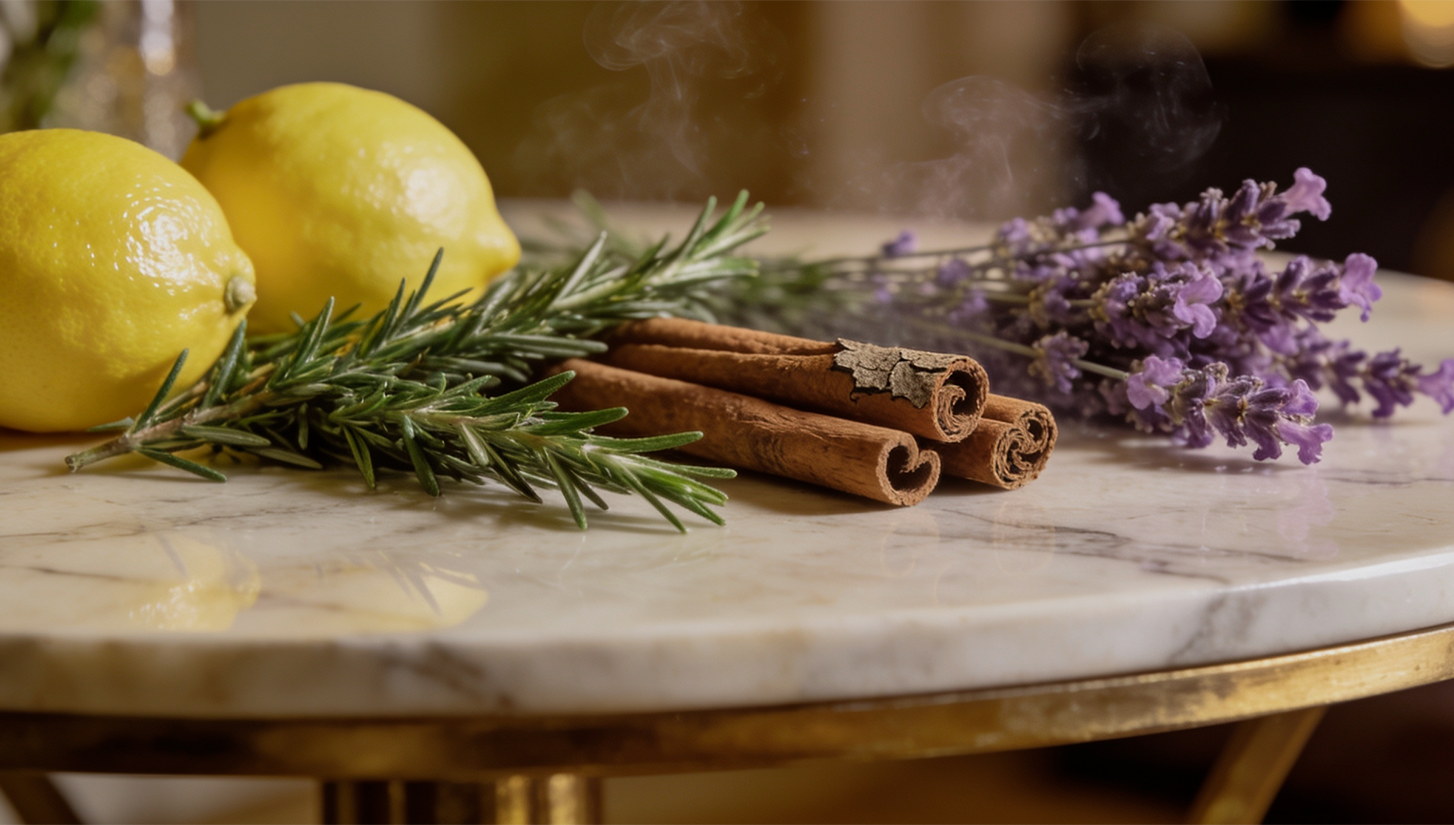
Scenting your home naturally can begin with simple ingredients that are already part of everyday life. Citrus peels, fresh herbs, spices, and flowers release aromas that can refresh the atmosphere, adding freshness, comfort, and personality without requiring complicated preparation. When thoughtfully combined, these elements can create a natural home fragrance that blends gently into the space.
Orange, lemon, and tangerine peels are especially useful because they release bright, refreshing aromas. Citrus notes and fruity fragrances often create a sense of lightness, clarity, and renewal, making them ideal for kitchens, living rooms, and shared areas. Herbs such as rosemary, mint, basil, and lavender can also enhance these combinations by adding green, floral, or lightly herbal nuances.
Spices such as cinnamon, cloves, and star anise add warmth and depth to the aroma. They are especially suitable for moments when you want to create a more inviting atmosphere, such as late afternoons, family gatherings, or colder days. Fresh or dried flowers add a delicate, elegant touch, making bedrooms, powder rooms, and small corners of the home feel more inviting and softly scented.
Prepare a Simmer Pot
One of the easiest ways to use these ingredients is to prepare a simmer pot. Fill a saucepan with water and add orange slices, cinnamon sticks, and a few whole cloves. Then warm the mixture over low heat so the steam can carry the fragrance throughout the room.
You can also customize the recipe with lemon peels, rosemary sprigs, mint leaves, sliced apples, or star anise. Always supervise the saucepan while it is heating and add more water whenever necessary to prevent the liquid from evaporating completely.
This method is especially useful for scenting the kitchen and nearby areas after cooking. Instead of simply covering up odors, the combination of fruit, herbs, and spices helps refresh the way the room feels, creating a cleaner and more inviting atmosphere.
Create Potpourri with Flowers and Spices
Another option is to make homemade potpourri. Gather dried petals or flowers, dehydrated citrus peels, aromatic leaves, and spices. Place the ingredients in an open container and add a few drops of an essential oil that complements your chosen combination.
A blend of dried lavender, lemon peels, and rosemary creates a light, herbal aroma. For a warmer atmosphere, use dried orange slices, cinnamon, and cloves. Potpourri can be placed in living rooms, powder rooms, hallways, or near the entrance of the home, where it can also serve as a decorative accent.
To maintain the fragrance, gently stir the ingredients from time to time and reapply a few drops of oil only when necessary. The goal is to create a soft presence while avoiding excessive concentrations that could make the aroma uncomfortable.
Benefits of Choosing Natural Ingredients
Using natural ingredients thoughtfully can help reduce your reliance on products with overpowering synthetic scents or harsh cleaning chemicals. These solutions can also be prepared in small batches, allowing you to reuse fruit peels, herbs, and flowers that might otherwise be discarded.
However, natural does not automatically mean risk-free. Essential oils and certain plants may cause sensitivity in some people or may not be suitable for homes with children or pets. For this reason, use small amounts, keep the area well ventilated, and confirm that each ingredient is appropriate for everyone in the household.
When paired with regular cleaning and proper air circulation, these alternatives can help create a more pleasant and balanced indoor environment. The goal is not to saturate the home with fragrance, but to allow aromas to become part of the atmosphere in a light, welcoming, and natural way.
READ ALSO
How to keep your home smelling fresh
Best smelling fragrances for any space
How to Make Your Home Smell Good Naturally with Essential Oils and Diffusers
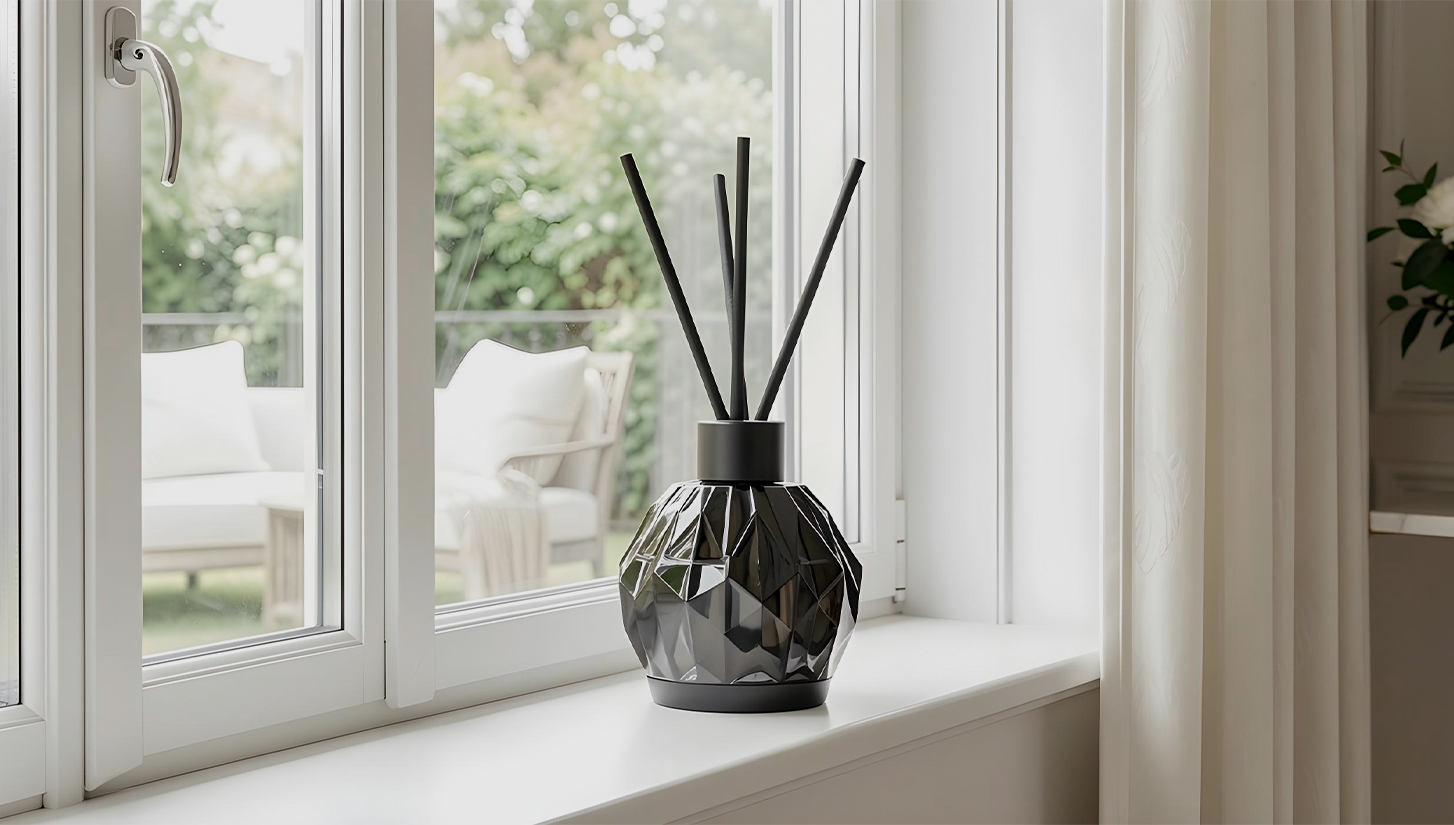
Essential oils and diffusers are valuable tools for anyone who wants to maintain a pleasant, consistent aroma with minimal effort. Extracted from flowers, leaves, bark, wood, fruit, and other plant materials, essential oils preserve the distinctive aromatic qualities of their natural sources, making it possible to create fresh, floral, herbal, or woody atmospheres throughout the home.
The quality of the oil directly affects the overall experience. High-quality oils tend to deliver a cleaner, more balanced aroma, while lower-quality alternatives may smell artificial or unpleasant. It is also important to use only oils that are compatible with your diffuser and to follow the manufacturer’s instructions, especially in homes with children, pets, or people who are sensitive to fragrance.
Waterless Diffusers and Reed Diffusers: Understanding the Differences
A waterless diffuser transforms fragrance oil into extremely fine particles and disperses them directly into the room without dilution. This technology supports more even and consistent diffusion, making it a suitable choice for living rooms, large bedrooms, and open concept areas where greater control over fragrance intensity is needed.
Because the product is not mixed with water or exposed to heat, this type of diffuser helps preserve the integrity and aromatic profile of the composition. The top, heart, and base notes remain closer to the way they were originally developed, creating a richer and more consistent scent experience. Another benefit is the ability to adjust schedules and intensity, helping you avoid a fragrance that is either barely noticeable or overpowering.
A natural reed diffuser, on the other hand, works through capillary action. The reeds absorb the liquid from the bottle and gradually release the fragrance into the air. It requires no electricity, operates silently, and can also serve as a decorative element. Because its scent presence is usually softer, it works best in bathrooms, powder rooms, small offices, hallways, and on nightstands.
To maintain its performance, periodically flip the reeds, taking care to prevent the liquid from dripping onto furniture or fabrics. Because the diffusion is gentler and more localized, this option is ideal for anyone who prefers a discreet fragrance that remains in the background.
Choose Scents According to Each Room
Effective home scenting begins with the purpose of each room. Instead of using the same fragrance and intensity throughout the entire home, choose combinations that support the atmosphere you want to create in each area.
In bedrooms, lavender fragrances are classic choices for creating a sense of tranquility, comfort, and relaxation. Lavender can be used on its own or combined with chamomile, vanilla, or sandalwood. Chamomile adds delicacy, vanilla creates a warmer base, and sandalwood brings woody depth. AromaPlan’s Lavender fragrance combines lavender and floral notes with nuances of mint, eucalyptus, woods, amber, vanilla, and musk, creating a balanced and enveloping composition.
In the kitchen, citrus aromas such as lemon, orange, bergamot, and grapefruit can create a sense of freshness and energy. These notes can be paired with rosemary, mint, or eucalyptus to add a green, herbal character. Choose light fragrances that refresh the atmosphere without competing with the natural aromas of food.
For the living room, combinations of bergamot and sandalwood or orange and soft woods can help create a welcoming and sophisticated environment. In bathrooms, eucalyptus, mint, white tea, and citrus notes contribute to a clean, airy atmosphere. In the home office, green, citrus, or lightly woody aromas provide a balanced presence without taking over the space.
Continuous Home Scenting with AromaPlan
AromaPlan diffusers and fragrances make it possible to turn scent into a consistent part of the home’s atmosphere. Instead of releasing a large burst of fragrance all at once, the devices distribute it gradually, helping maintain a steadier presence throughout the day.
Waterless models are especially suitable for this purpose because they provide greater control over operation and intensity. In smaller rooms, a low setting may be enough. Larger living areas and open-concept spaces may require more frequent cycles, always taking ventilation, room size, and household sensitivities into consideration.
The AromaPlan collection includes citrus, floral, fruity, herbal, woody, and oriental compositions, making it easier to select the fragrance profile that best complements each room. The brand also offers different diffuser formats, ranging from compact plug-in models to systems designed for larger spaces. This variety makes it easier to create a cohesive signature scent that complements the home’s décor, daily routine, and overall style.
It is important to distinguish pure essential oils from formulated fragrances. Essential oils are concentrated natural extracts, while fragrance oils may combine different materials and accords to achieve greater stability, complexity, and longevity. Regardless of the option selected, the same principle applies: use a product designed for the device and maintain a moderate level of diffusion.
When used correctly, diffusers can keep the home beautifully scented without requiring constant reapplication. The result is a continuous, sophisticated, and balanced aroma that blends naturally into the environment rather than simply masking odors. With the right combination of fragrance, diffuser, and intensity, each room can have its own pleasant and welcoming atmosphere.
READ ALSO
How to choose the right diffuser
Choosing the best aromaplan scents for each room in your home
How to Maintain Freshness: Going Beyond Simply Adding Fragrance
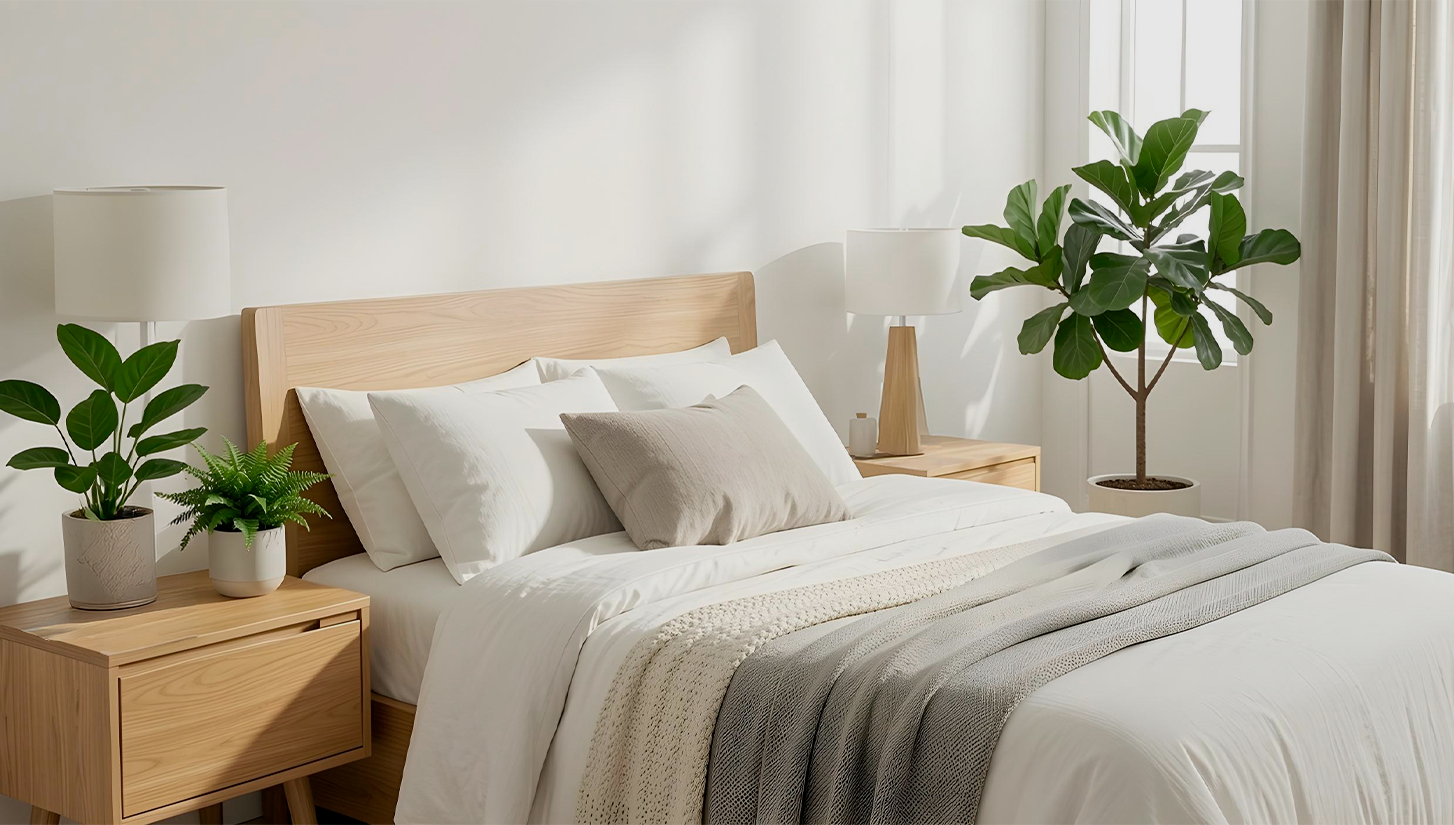
A naturally fresh-smelling home does not depend on pleasant fragrances alone. Before using any home fragrance product, it is essential to address the source of unwanted odors and create the right conditions for proper air circulation.
Regular cleaning should therefore be the starting point for home scenting. Trash cans, drains, rugs, upholstery, bedding, and food preparation areas require frequent attention because they can accumulate particles and odors even when the room appears organized. Once these sources have been addressed, home fragrance products can blend into the environment in a lighter, more natural, and pleasant way.
Encourage Ventilation and Air Circulation
Opening doors and windows every day is one of the simplest ways to refresh a room. Air circulation helps remove concentrated odors, reduce the feeling of stagnant air, and balance the presence of fragrance. Whenever possible, create cross-ventilation by opening windows or doors on opposite sides of the home to help air move through the space.
This is especially important in kitchens, bathrooms, laundry rooms, and bedrooms. After cooking, showering, or drying clothes indoors, increase ventilation to prevent steam, grease, and moisture from remaining in the room.
Fans, exhaust systems, and HVAC systems can also support air movement, as long as they are clean and their filters are properly maintained. When air circulates effectively, fragrance spreads more evenly instead of becoming overly concentrated in one area.
Control Moisture to Prevent Odors
Excess moisture can encourage the development of mold, mildew, and unpleasant odors on walls, inside closets, and on clothing and fabrics. To prevent these problems, check for leaks, ventilate bathrooms after use, and avoid storing items while they are still damp.
Moisture-absorbing packets or containers can help inside closets and drawers. In areas with limited airflow, a dehumidifier may be necessary. The most important step is identifying the source of excess moisture, since adding fragrance alone will not solve the problem and may create an unpleasant combination of smells.
It can also help to move furniture a few inches away from walls in poorly ventilated areas. This allows air to circulate and helps prevent moisture from accumulating on hidden surfaces.
Use Baking Soda to Absorb Odors
Baking soda can help neutralize certain household odors. In the refrigerator, place a small
amount in an open container and replace it periodically. Before doing so, remove expired food, clean the shelves, and check for spilled liquids, since baking soda works best after the original source of the odor has been eliminated.
For rugs, sprinkle a small amount of baking soda over the dry surface and allow it to sit for a while before vacuuming. Before applying it to the entire rug, test it on a small, hidden area and consult the manufacturer’s care instructions, especially for delicate rugs or those made from natural fibers.
Baking soda can also be placed in empty, dry trash cans, shoe cabinets, or other areas where odors tend to accumulate. Its purpose is not to add fragrance, but to help create a more neutral foundation so the selected scent can be experienced more clearly.
Use White Vinegar Carefully During Cleaning
Diluted white vinegar can help clean certain surfaces and remove residue that causes unpleasant odors. It may be used on some countertops, tile, and washable areas, provided that the material is compatible with vinegar.
A simple solution can be prepared with equal parts water and white vinegar. Apply it with a cloth without soaking the surface. However, vinegar should not be used on natural stone, marble, unsealed granite, sensitive wood, waxed surfaces, or certain appliances. Always check the manufacturer’s recommendations and test the solution on a small, discreet area first.
Never mix vinegar with bleach or products containing chlorine, as the combination can release dangerous gases. After cleaning, ventilate the room and allow the vinegar smell to disappear before turning on a diffuser or applying another scented product.
Add Plants to Enhance the Feeling of Freshness
Houseplants can make rooms feel visually lighter, more natural, and more inviting. Although they do not replace ventilation, cleaning, or proper air filtration, they can contribute to a sense of connection with nature and help the home feel fresher.
Pothos, ZZ plants, snake plants, and spider plants are known for adapting well to indoor environments and requiring relatively simple care. Peace lilies are also popular indoors, although they require greater attention to lighting, watering, and the presence of children or pets.
Aromatic herbs such as rosemary, mint, and basil can be grown near well-lit windows. In addition to serving as décor, they release delicate aromas when their leaves are touched or used. Lavender and jasmine can also add fragrance, provided they receive the appropriate amount of light and ventilation.
Before selecting a plant, make sure it is safe for everyone in the household. Some species can be toxic if ingested by dogs, cats, or children. Avoid overwatering as well, since consistently saturated soil may lead to fungus, insects, and unpleasant odors, creating the opposite of the intended effect.
Create a Clean Foundation Before Adding Fragrance
After ventilating, cleaning, and controlling moisture, the home is ready to receive fragrance in a more balanced way. At this point, a room diffuser can be used as a sensory layer rather than an attempt to hide underlying problems.
Intensity should be adjusted according to the size of the room and its airflow. In small spaces, a subtle presence is usually enough. In larger areas, fragrance can be distributed in cycles, maintaining a consistent aroma without saturating the environment.
How to Naturally Create a Signature Fragrance for Your Home
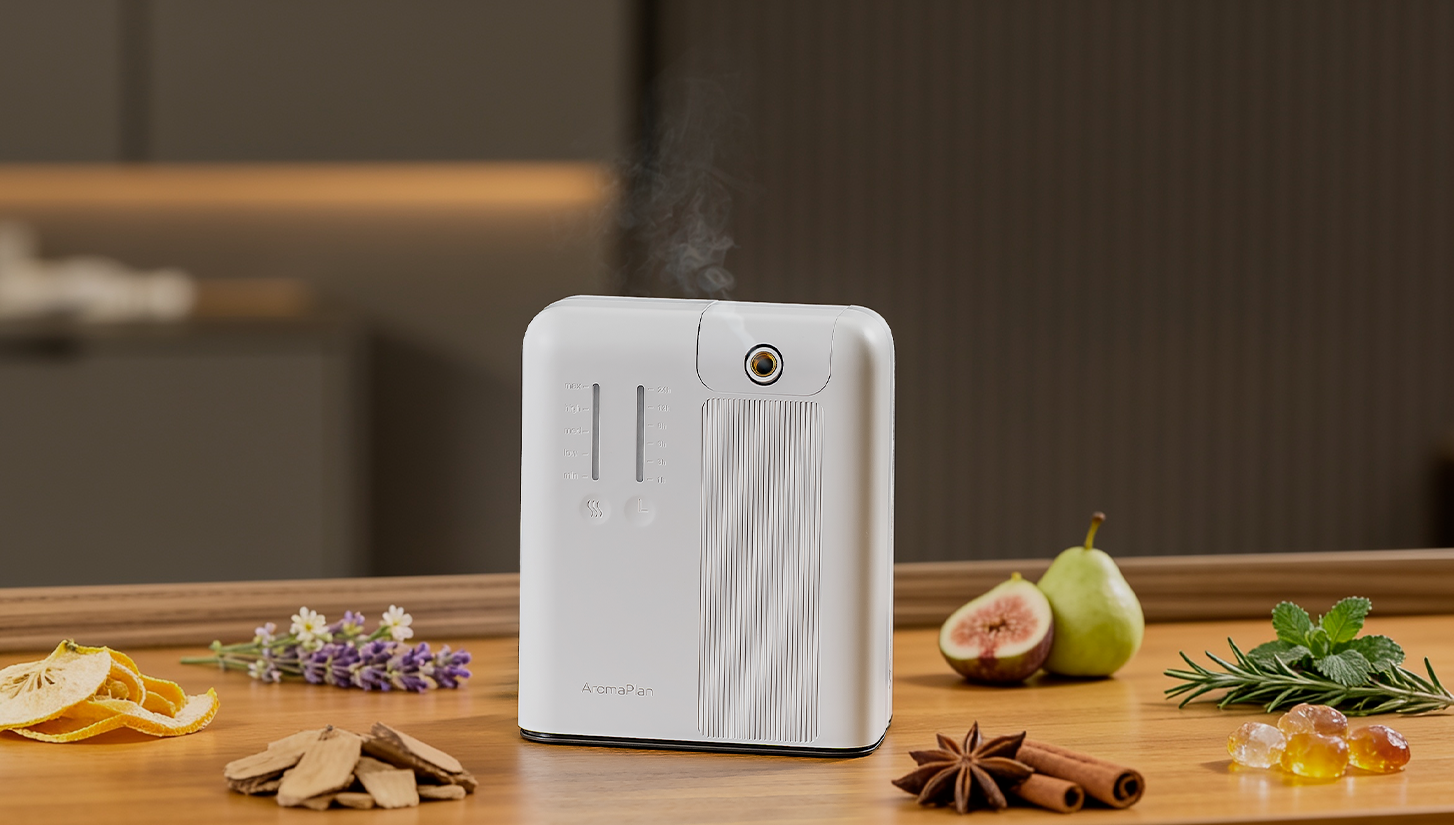
Just like décor, color choices, and decorative accents, scent can reflect the personality of the people who live in a home. Creating a signature home fragrance begins by identifying how you want the space to feel, whether fresh, comfortable, elegant, energizing, or tranquil. Your choice should consider not only the residents’ favorite aromas, but also the style of the home, the purpose of each room, and the moments that unfold there.
Homes with light-colored décor, natural elements, and bright spaces may pair beautifully with citrus, green, or soft floral aromas. Rooms featuring wood, heavier fabrics, and intimate lighting often complement woody fragrances, spicy aromas, or oriental fragrances. More colorful and relaxed spaces can gain personality from fruity notes that create a feeling of lightness, movement, and vibrancy.
There is no single right combination. A signature fragrance should reflect the identity of the home and create an atmosphere that feels authentic to the people who live there. When the chosen aroma blends naturally into everyday life, it becomes more than a pleasant scent—it becomes the home’s unique sensory signature.
Explore the Main Fragrance Families
Fragrance families organize scents according to their dominant characteristics. Understanding them makes it easier to identify the aromas that best match the style of the home and the experience desired for each room.
Woody fragrances feature notes such as sandalwood, cedarwood, vetiver, patchouli, and warm woods. They often communicate depth, stability, comfort, and sophistication. They are especially suitable for living rooms, offices, libraries, and bedrooms, where they can create a warmer and more elegant atmosphere.
Compositions such as AromaPlan’s White Sandalwood combine bergamot, mandarin, and cardamom with iris, vetiver, sandalwood, cedarwood, and musk. Santal offers an enveloping interpretation of the woody family by combining dry, creamy, and fresh nuances.
Fruity fragrances are often associated with brightness, vibrancy, and freshness. Depending on the blend, they may feel light and energizing or warm and inviting. Notes of apple, pear, fig, berries, pineapple, and grape can be paired with florals, woods, or musk to prevent the composition from becoming overly sweet.
Within this family, Bali combines fruits such as apple, grapefruit, and pineapple with lavender, jasmine, cedarwood, and musk, creating a more tropical and sophisticated interpretation. Fragrances such as Bali demonstrate how fruity aromas can feel balanced and elegant.
Oriental fragrances are known for their rich and enveloping presence. They often combine spices, amber, vanilla, musk, resins, and woods, creating warmer, more intimate, and sophisticated atmospheres. They work especially well in living rooms, bedrooms, entryways, and spaces used during the evening.
Spiced Amber, for example, combines bergamot, cinnamon, and cardamom with orange blossom, amber, vanilla, musk, and tonka bean. Cozy Cashmere features violet leaf, orange, spices, jasmine, amber, sandalwood, patchouli, and cedarwood. Baccarat Rouge explores saffron, bergamot, florals, fir resin, patchouli, cedarwood, and amber, creating a more intense and refined presence.
You can also explore citrus, floral, herbal, fougère, and gourmand fragrance families. Citrus profiles bring brightness and energy; florals add softness and elegance; herbal aromas evoke nature and freshness; fougère profiles combine green, aromatic, and woody nuances; and gourmand fragrances feature notes reminiscent of vanilla, caramelized fruit, spices, and desserts.
Experiment with Natural Scent Combinations
Creating a personal fragrance involves experimentation. Begin by selecting a primary note that best represents the personality of the home. Then add a second aroma to complement or balance the composition.
A woody sandalwood base can gain brightness from bergamot or orange. Lavender can be combined with vanilla for added comfort or with eucalyptus for a fresher feeling. Citrus peels can be paired with rosemary or mint to create a green, energizing composition. Dried flowers can be combined with woods, spices, or a few drops of essential oil.
Some combinations that can serve as starting points include:
Bergamot, sandalwood, and musk for an elegant and balanced atmosphere;
Orange, cinnamon, and cloves for a warm and inviting feeling;
Lavender, vanilla, and cedarwood for comfortable bedrooms;
Lemon, rosemary, and eucalyptus for kitchens and work areas;
Fig, white tea, and soft woods for a fresh and sophisticated home;
Orange blossom, amber, and vanilla for an enveloping atmosphere.
Test small amounts before using a composition throughout the entire home. Notice how the fragrance develops during the day, how it responds to airflow, and how it is perceived in different rooms. Some aromas may feel more intense in smaller spaces, while others require stronger or more frequent diffusion to become noticeable in larger areas.
Luxury Fragrances: Personality and Sophistication for the Home

Luxury fragrances are defined not simply by their intensity, but by the richness of their layers and the balance among their notes. A sophisticated composition typically features a memorable opening, a distinctive heart, and an elegant base that lingers comfortably in the space.
AromaPlan offers a wide variety of fragrance families and compositions that make it possible to personalize the atmosphere of the home. Options include citrus fragrances such as Dubai; floral fragrances such as Fresh Linen; fruity fragrances such as Bali; woody fragrances such as White Sandalwood and Santal; and oriental fragrances such as Spiced Amber.
This variety makes it easier to select a fragrance that complements the style of the room and the experience you want to create. In a minimalist home, tea notes, citrus, and light woods can provide understated elegance. In more traditional interiors, floral accords, amber, and sandalwood can create a refined atmosphere. Contemporary spaces may explore fruity and oriental combinations or fragrances inspired by sophisticated hotels and destinations.
AromaPlan diffusers also help maintain this signature scent consistently and evenly throughout the home. With different coverage options and adjustable intensity settings, the fragrance level can be adapted to the size of the space, foot traffic, and the household’s daily routine.
By exploring different fragrance families and combinations, the scent of your home can become as personal as its décor. More than simply choosing a pleasant aroma, the goal is to create a memorable experience that reflects the personality of those who live there and makes every homecoming feel familiar, welcoming, and uniquely yours.
Explore AromaPlan fragrances and diffusers, discover the combinations that best reflect your style, and start creating a distinctive signature scent for every room in your home.
Get all your questions answered through our FAQ
What are the best natural ways to make your house smell good?
To naturally scent your home, consider using diffusers with natural home fragrances, creating DIY potpourri with dried fruits and spices, or simmering citrus peels and herbs on the stove. Regular cleaning and good ventilation also play a crucial role in maintaining a fresh atmosphere.
How can I use diffusers to make my house smell good naturally?
Diffusers are an excellent way to naturally scent your home. Choose high-quality diffusers and natural fragrances to disperse pleasant aromas evenly. Different types, like waterless or smart plug-in diffusers, offer varied coverage and intensity, ensuring your space always smells inviting.
Are there specific natural fragrances that help a house smell good?
Absolutely! Many natural fragrances can enhance your home's aroma. Woody scents provide warmth, fruity fragrances offer vibrancy, and lavender brings a calming touch. Exploring different fragrance families allows you to find the perfect natural scent for each room.
What natural scents are best for different rooms in the house?
For living areas, consider inviting woody scents or fruity fragrances. Kitchens benefit from fresh citrus notes to neutralize odors. Bedrooms are ideal for calming lavender or vanilla scents, promoting relaxation. Tailoring scents to each space enhances the overall natural aroma of your home.
How can I maintain a consistently good natural smell in my home?
To maintain a consistently good natural smell, combine regular cleaning with strategic scenting. Use long-lasting diffusers and rotate your fragrances seasonally. Consider scents that evoke specific moods, like fresh summer scents or cozy fall collections, to keep your home inviting year-round.


